

Since 2020, stress and sleep disorders have become a major concern for consumers. The European market for dietary supplements focused on these issues is growing rapidly, driven by ingredients such as valerian, melatonin, and B-group vitamins.
Omega-3s are now emerging as a promising opportunity to enhance mental well-being. Their beneficial effect on the nervous system makes them an appealing choice for anti-stress and sleep-oriented formulations.
In this article, we explore the opportunities omega-3s can bring to these categories.
Stress and sleep: a healthy market
Consumers looking for anti-stress solutions
Consumers may increasingly turn toward anti-stress and sleep-support solutions starting in 2020, when the Covid-19 pandemic significantly intensified anxiety levels. According to Harris Interactive, 53% of French consumers reported heightened stress, while 42% experienced a deterioration in sleep quality. Overall, more than a third of the total population is affected by a sleeping disorder, highlighting the growing demand for effective nutritional solutions. [1]
Stress and sleep: the flagship segments in nutraceuticals
Stress and sleep remain two of the strongest-performing nutraceutical segments in France. Sales figures may emphasize to show the steady momentum: in 2021, supplement purchases grew by 12.1% in pharmacies, 14.1% in parapharmacy and 5.3% in supermarkets and hypermarkets. [2]
According to Clear Cut Analysis, the paragraph might also stress the sharp rise between 2020 and 2021, with stress-relief supplements increasing by 31% and sleep-support formulas rising by 55%. This could further reinforce the idea that consumer demand for emotional well-being solutions continues to accelerate.
The key stress-sleep ingredients
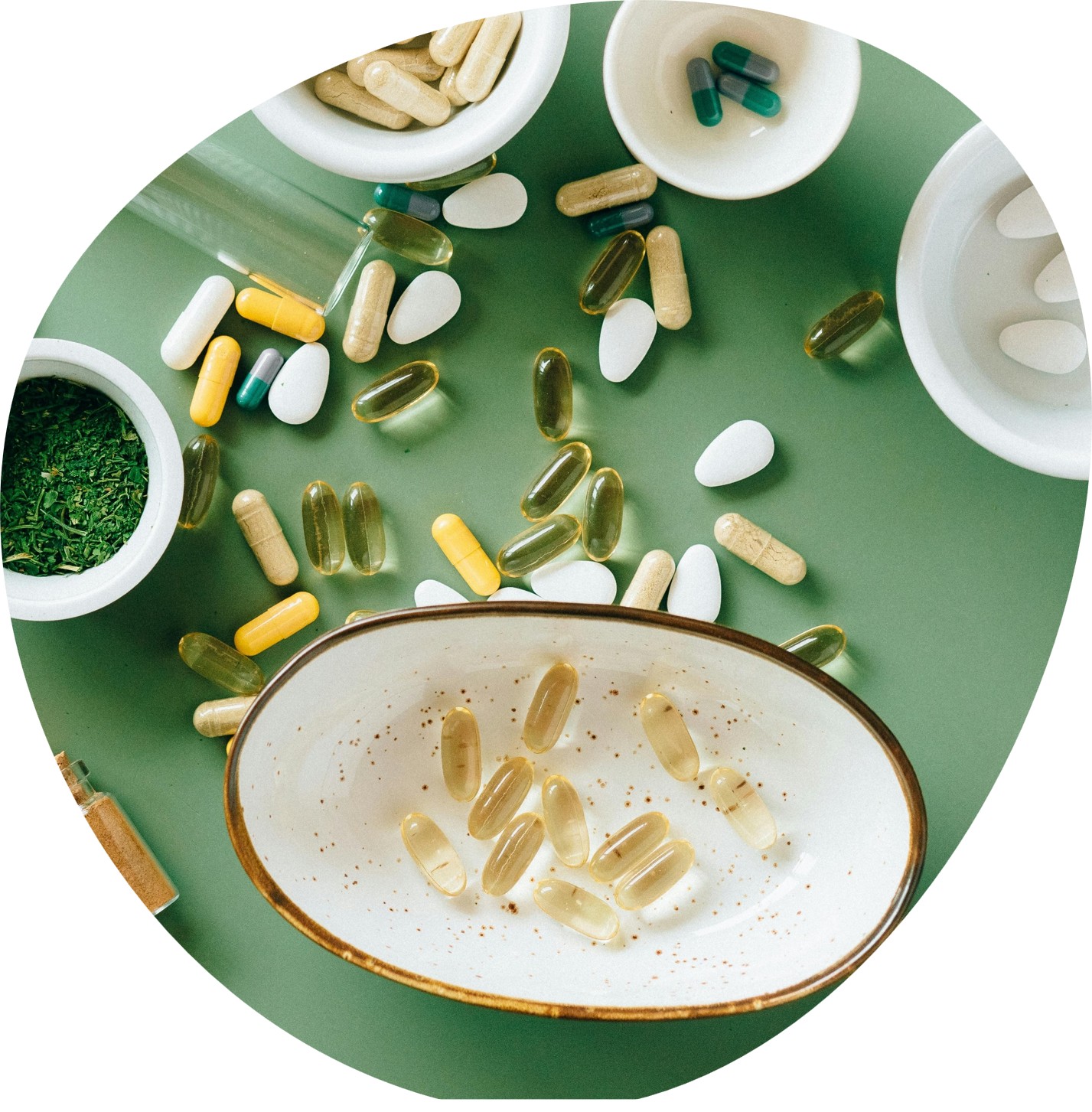
In dietary supplements, many plants such as valerian, eschscholtzia (California poppy) and passiflora are widely used for stress and sleep disorders. Melatonin, produced naturally by the body at night, remains one of the most effective sleep-supporting compound. In 2021, the global melatonin market was worth $1.26 billion. [4]
Tryptophan, particularly in the form of 5-HTP, is increasingly incorporated in supplements targeting stress reduction and sleep enhancement. This essential amino acid is a precursor not only to melatonin but also to serotonin, the “happiness hormone”, which is strongly involved in regulating stress. [1]
Finally, as for vitamins and minerals, B-group vitamins (B1, B2, B3, B5, B6, B8, B9, B12) and magnesium contribute to normal psychological function and normal functioning of the nervous system, supporting stress management and sleep quality.
Omega-3 oils remain underutilized for sleep and stress support, but emerging research suggesting a growing role in future nutraceutical formulations.
Omega-3: a promising ingredient for stress and sleep formulations
Understanding the physiology of sleep
Sleep is characterized by a sequence of 3 to 6 successive cycles ranging from 60 to 120 minutes each. Each cycle includes a phase of slow sleep and REM sleep.
The duration and distribution of these phases vary throughout the night: the first cycles feature more deep, slow-wave deep, while REM phases dominate toward the end of the night. Sleep patterns are also influenced by prior sleep quality, age and lifestyle habits.
Though sleep may be simple, it is governed by a complex series of chemical reactions.
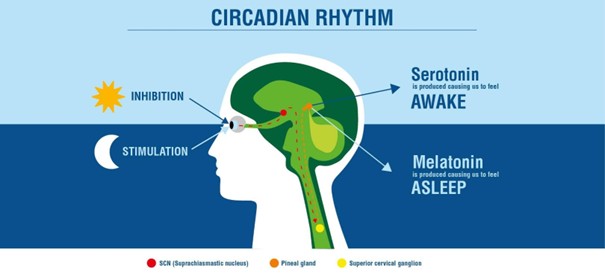
Adenosine, produced in increasing amounts during wakefulness, plays an important role in initiating sleep by gradually inhibiting brain function. Melatonin, commonly called the sleep hormone, helps trigger sleep as it is produced by the pineal gland, located at the back of the hypothalamus. Its production decreases with age, contributing to sleep disorders. Finally, clock genes, whose expression is modulated by factors such as melatonin and retinal cells, help regulate both sleep and the circadian cycle. [5]
Circadian Rhythm
The circadian cycle, often referred to as our internal biological clock, is a natural, internal process that regulates the sleep-wake cycle and repeats roughly every 24 hours.
Understanding the physiology of stress
Stress is a natural physiological mechanism necessary for survival, involving the body’s responses to potentially dangerous or unknown situations. While modern threats differ from those faced historically, the body’s stress reactions remain unchanged. [6]
Perception of a stressor triggers a cascade of brain responses, activating areas such as the amygdala, prefrontal cortex, and hippocampus. Amygdala activation stimulates the release of dopamine or noradrenaline, placing the body in a state of hypervigilance in response to the stressful factor. Other neurotransmitters prompt the secretion of glucocorticoids, including cortisol, commonly known as the stress hormone. [7]
These hormones induce physiological changes, including elevated heart rate, blood pressure, and vascular tone, while temporarily suppressing metabolic functions such as digestion or reproduction to mobilize energy for immediate response. Once stress has passed, stress hormones act on the brain to suppress and memorize the response to stress, ensuring adaptive reactions. [7]
The relationship between sleep and stress
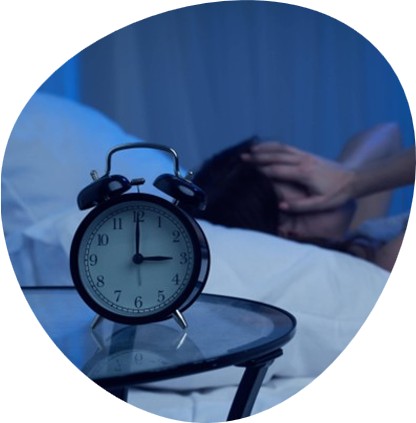
Stress and sleep are intimately interconnected. According to a 2018 survey by the Institut du Sommeil et de la Vigilance, only 55% of people who report feeling stressed are satisfied with the quality of their sleep. [8]
Stress affects the different stages of sleep by making it harder to fall asleep and triggering night-time awakenings. Over several nights, this disturbed sleep can create a self-perpetuating cycle, where poor rest becomes an additional stress factor. [9] Chronic or excessive stress interferes with the body’s recovery processes, potentially leading to long-term health consequences such as diabetes, cardiovascular diseases, or psychological disorders, including anxiety or depression. [7]
Omega-3 effects on stress
Omega-3s have long been recognized for their health benefits, and recent research has highlighted their specific role in supporting the nervous system. Omega-3 increases endocannabinoid production, which plays a role in stress resistance. Several studies in mice have shown that low omega-3 consumption reduced endocannabinoid levels and increased stress responses. [10]
Other studies have shown that omega-3 has potential effects on the modulation of cortisol, the stress hormone. Chronic high cortisol levels increase the inflammatory response, and the anti-inflammatory properties of omega-3 help regulate this response, reducing the body’s stress. [11]
A study by Hellhammer et al. demonstrated that omega-3 supplementation can benefit both chronic and acute stress. Over 12 weeks, men aged 30 to 60 received either 300 mg of omega-3 combined with phosphatidylserine (PS) or an olive oil-based placebo. Stress levels measured after 12 weeks showed that the omega-3 + PS group had more regulated stress responses. [12] Finally, omega-3 may play a role in different neurobiological functions. Indeed, evidence indicates that omega-3 may act on the modulation of certain neurotransmitters as well as neuroplasticity and synaptic plasticity. [13]
The impact of omega-3 on sleep
The brain is the second most lipid-rich tissue (approximately 50%) [14], and neuron membranes contain specific fatty acids, including omega-3 and phospholipids. Docosahexaenoic acid (DHA) is the most abundant omega-3 fatty acid in the brain. A sufficient omega-3 intake therefore contributes to normal brain function. For more information, see our article on mental well-being.
The effect of omega-3 on sleep was highlighted in a double-blind study conducted in England on children aged 7 to 9. One group received 600 mg of omega-3 (mainly DHA) daily for 4 months, while the other group received a placebo. Children in the omega-3 group slept an average of 58 minutes longer per night, likely due to a higher DHA concentration in the blood. [15] Although it is necessary to carry out additional studies on a larger number of children, omega-3s show promise for improving sleep quality.
Omega-3 opportunities in the stress and sleep sphere
Stress and sleep disorders are increasingly relevant and can affect people of all ages. The stress-sleep segment represents nearly 20% of the European nutraceuticals market in terms of value. In this mature and highly competitive sector, brands must differentiate themselves with innovative formulas. Omega-3s, particularly those of plant origin, represent a powerful lever to meet consumers’ preference for natural and sustainable ingredients.
DHA ΩRIGINS® from Fermentalg is a prime solution for stress-sleep formulations. Produced via fermentation of the Schizochytrium sp. microalgae, DHA ΩRIGINS® provide a naturally concentrated source of vegan omega-3, offering at least 550 mg/g DHA in fatty acids form, and allowing supplementation of up to 1g of DHA per day in a single serving.
SOURCES
[1]https://www.synadiet.org/sites/default/files/news/files/synadiet_-_cahier_medico-eco_-_version_lightvf.pdf
[2]https://www.synadiet.org/sites/default/files/news/files/202111060_harris_interactive_rapport_barometre_conso_cpal_2022_v_ag_synadiet.pdf
[3]https://nutraceuticalbusinessreview.com/news/article_page/Stress_and_sleep_supplements_more_than_a_fleeting_post-pandemic_trend/205384
[4]https://www.verifiedmarketresearch.com/product/melatonin-market/
[5]https://www.inserm.fr/dossier/sommeil/
[6]https://www.frcneurodon.org/comprendre-le-cerveau/a-la-decouverte-du-cerveau/le-stress/
[7]Marie-Pierre Moisan, Michel Le Moal. Le stress dans tous ses états. Med Sci (Paris). 2012 June; 28(6-7): 612–617. Published online 2012 July 16. doi: 10.1051/medsci/2012286014
[8]https://www.euphytosegamme.fr/euphytose-medicament/stress-sommeil-lien#:~:text=Lien%20entre%20stress%20et%20sommeil&text=Une%20journ%C3%A9e%20stressante%20peut%20entra%C3%AEner,causes%20du%20stress%20sont%20r%C3%A9solues
[9]https://institut-sommeil-vigilance.org/wp-content/uploads/2020/02/INSV-Carnet-3-Sommeil-Stress-2020.pdf
[10]Lafourcade, M., Larrieu, T., Mato, S. et al. Nutritional omega-3 deficiency abolishes endocannabinoid-mediated neuronal functions. Nat Neurosci 14, 345–350 (2011). https://doi.org/10.1038/nn.2736
[11]Thesing CS, Bot M, Milaneschi Y, Giltay EJ, Penninx BW. Omega-3 polyunsaturated fatty acid levels and dysregulations in biological stress systems. Psychoneuroendocrinology. 2018 Nov 1;97:206-15
[12]Hellhammer, J., Hero, T., Franz, N., Contreras, C., & Schubert, M. (2012). Omega-3 fatty acids administered in phosphatidylserine improved certain aspects of high chronic stress in men. Nutrition research, 32(4), 241-250.
[13]Zhou Lie, Xiong Jia-Yao et al., Possible antidepressant mechanisms of omega-3 polyunsaturated fatty acids acting on the central nervous system. Frontiers in Psychiatry. 2022. https://doi.org/10.3389/fpsyt.2022.933704
[14]https://alwaysomega3s.com/why/brain-health
[15]Montgomery, P., Burton, J.R., Sewell, R.P., Spreckelsen, T.F. and Richardson, A.J. (2014), Fatty acids and sleep in UK children: subjective and pilot objective sleep results from the DOLAB study – a randomized controlled trial. J Sleep Res, 23: 364-388. https://doi.org/10.1111/jsr.12135