


What is sustainable food?
The concept idea of sustainability is not new, yet it remains complex.
According to the UN FAO definition, sustainable food is healthy, balanced and nutritionally adequate, while also being produced in a way that protects biodiversity and ecosystems. It must also preserve cultural diversity and optimize the use of natural and human resources (UN FAO, 2010).
A 2016 IPSOS survey found that 83% of respondents felt they lacked sufficient information on the social impact of products, and 78% reported the same for environmental and healthy products. This indicates that consumers are looking for affordable and naturally healthy products. They are also eager to choose committed brands that uphold ethical and sustainability practices.
A naturally healthy diet
Sustainability and naturalness often go hand in hand. Consumers are seeking products that naturally provide essential nutrients. Today, they understand the difference between “fortified” foods and “naturally rich in” nutrients. A 2020 market study by FMCG Gurus highlighted major nutrition trends, several of which directly concern omega-3 consumption. Consumers are aware that their diet affects long-term health and are actively changing their eating habits to improve their overall wellbeing. This reflects a proactive approach to health, including interest in functional and chemical-free products.
The benefits of omega-3 are now widely recognized and supported by scientific evidence from over 4,000 studies. These relate to cognitive health, ophthalmic (AMD, dry eye) and cardiovascular health; from pre and post-natal right through to old age. In addition, scientific research is now focusing on their role in immunity, microbiota and neurodegenerative conditions such as Alzheimer’s disease.

Omega-3 and health claims
The European Commission has also defined a number of health claims for EPA and DHA. Scientifically recognized and proven, docosahexaenoic acid (DHA) claims relate to cognitive function, cardiovascular health, and vision*:
DHA contributes:
● To the maintenance to normal brain function
● to the maintenance of normal vision
● to the maintenance of normal blood triglyceride levels
DHA maternal intake contributes:
● to the normal development of the eye of the fetus and breastfed infants
● to the normal brain development of the fetus and breastfed infants.
DHA intakes contribute to the normal visual development of infants up to 12 months of age.
DHA and EPA contribute:
● to the maintenance of normal blood pressure
● to the maintenance of normal blood triglyceride levels
● to the normal function of heart
*these claims are valid for specific dosages.
Omega-3s, including DHA, are key components of preventive healthcare and support health throughout life, from growth to healthy aging. For this reason, they are flagship ingredients in natural health products such as nutraceuticals, dietary supplements and functional foods.
However, when consumers are asked about the role of omega-3s in their health, many are unsure to respond (46% of respondents, FMCG Gurus). Many also cannot recall how much omega-3 they consumed in the past 24 hours (only 24% of respondents knew, FMCG Gurus). Moreover, the benefits of omega-3 appear only over the long term when used for preventive healthcare. This makes consumer education on omega-3s essential.
Consumers increasingly expect clear information on product packaging and on advertising. Digital tools can help communicate product traceability, using websites, QR codes, mobile health applications, and other technologies.
A real challenge for society
A new generation of responsible consumers, socially, politically and environmentally aware, now expect their current wellbeing to align with the long-term health of both future generations and the ecosystem.
They increasingly scrutinize supply chains, as well as the living and working conditions of producers: 84% prefer companies that work with local producers (12th Greenflex 2017 barometer).
This ecosystem perspective also includes a stronger focus on environmental impact and sustainability. Questions arise regarding the consequences of intensive fishing, especially when fish are caught specifically to produce omega-3 oils for dietary supplements. Meeting the societal challenge of sustainable nutrition means reassessing the global impact footprint of our food choices. As the saying goes, when we buy a product, we also buy the world that goes with it.
Consumers are therefore more conscious about the origin of products and the conditions in which they are produced. Is the sourcing sustainable? Have natural resources been plundered? What healthier and more environmentally responsible alternatives?
Food produced with a commitment to protecting biodiversity
A brand’s environmental commitment strongly resonates with consumers and often determines purchasing decisions.
Modern consumers increasingly understand that their food choices affect the environment. From production and storage food systems depend on natural resources and can generate pollution. As a result, consumer awareness is rising, along with a clear demand for transparency from manufacturers.
To regain their trust in companies, consumers now expect detailed information about how products are manufactured. While pollution remains a major concern, biodiversity is becoming increasingly important, especially as more animal and plant species face the risk of extinction.
Ethically sourced omega-3 dietary supplements provide a more environmentally responsible option and align with growing expectations for sustainability.
According to FMCG Gurus, 3 out of 10 consumers want more sustainable products, particularly products derived from fish. The “good for me, good for the planet”mindset is becoming widespread. Ocean pollution is cited as consumers’ top concern, closely followed by overfishing.
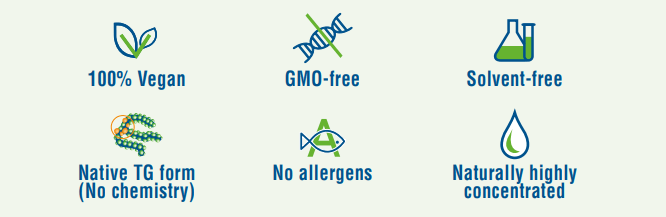
Omega-3s derived from microalgae directly address these deeply held concerns, giving added value for manufacturers and brands by providing a plant-based, sustainable source of DHA.
Consumers are increasingly willing to pay more for sustainable products offered by committed brands.
It is clear that higher quality products come at a higher price. Even in an unstable economic climate, 70% of millennials aged 20-35 are willing to pay more for sustainable products (Nielsen Global Corporate Sustainability 2015). This demonstrates their expectation that industry and governments will take strong, long-term positions on the legacy they will inherit. For brands, this represents a clear call to action: sustainability is essential for maintaining consumer trust today and in the years ahead.